A spare bedroom used as an office is often the coldest room in the house: heated only in working hours, shut up at night and at weekends, with a desk pushed against an outside wall. In winter that is a recipe for condensation, and condensation can lead to mould — on walls, on window frames and on the backs of books and papers.
This article summarises GOV.UK’s guidance on damp and mould, which was written for housing providers in England but explains the causes and fixes clearly. It is general information, not medical or building advice. If anyone in your home has health concerns, speak to a GP or pharmacist.
Why it matters
GOV.UK lists the people most at risk from the health effects of damp and mould, including:
- people with conditions such as asthma, COPD or cardiovascular disease
- people with weakened immune systems
- people with mental health conditions
- pregnant women and those who have recently given birth
- children and young people, and older people
- people who are bedbound, housebound or have mobility problems
GOV.UK says the guidance followed concerns raised by a coroner after a child’s death in December 2020; the later rules for social landlords are known as Awaab’s Law.
Where the moisture comes from
GOV.UK describes four main kinds of damp:
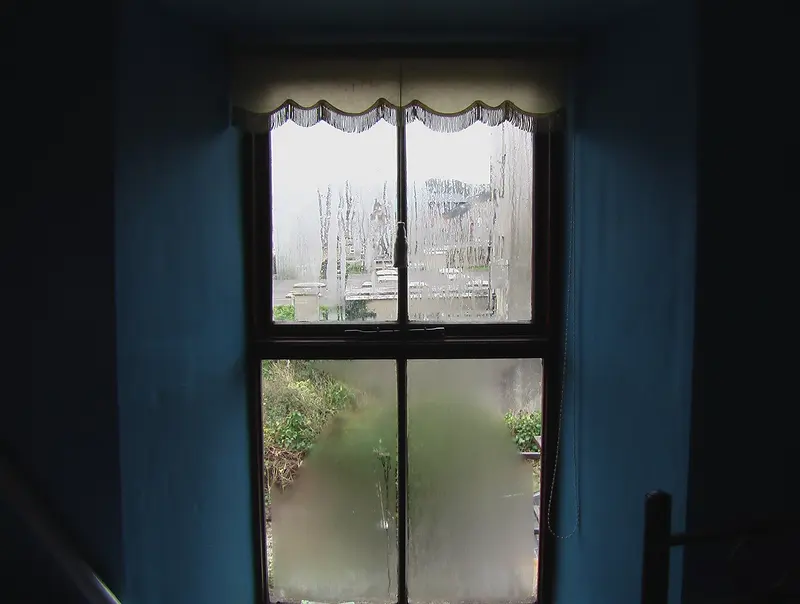
- Condensation — moisture from inside the home cools and settles on colder surfaces. GOV.UK says “Condensation is one of the most common causes of damp and mould in homes.”
- Penetrating damp — water getting in from outside through defects in walls, roofs, windows or floors.
- Rising damp — moisture rising from the ground, usually in older buildings with a faulty damp-proof course.
- “Traumatic” damp — leaks from pipes, overflowing baths or sinks, or flooding.
Condensation is the one you can most often influence day to day. The others usually need a repair.
Everyday steps that reduce condensation
From GOV.UK’s list of practical measures:
- keep extractor fans in kitchens and bathrooms working, and keep trickle vents on windows open and unblocked
- open windows from time to time, and close internal doors when cooking or showering
- cover pans when cooking
- dry laundry outdoors or in a covered space where possible
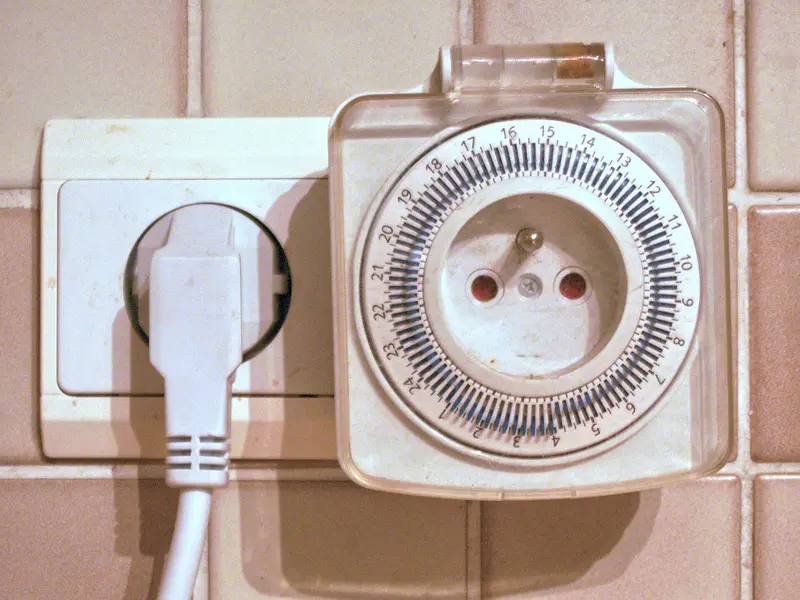
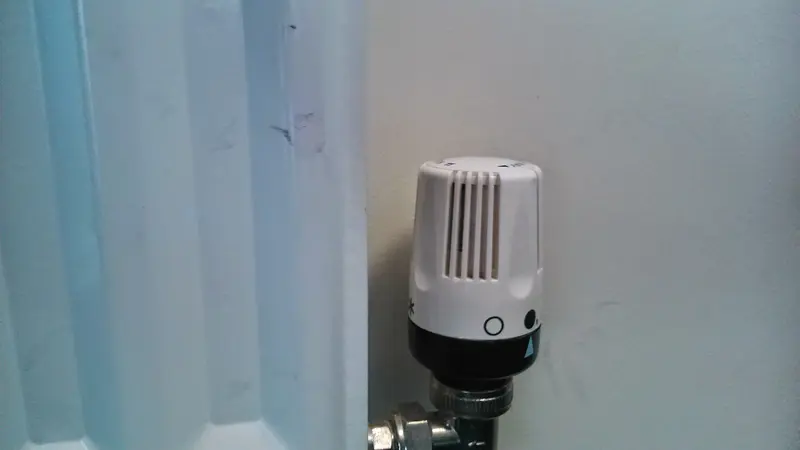
- make sure heating works and can be controlled, for example with thermostatic radiator valves, and top up loft insulation
- leave a gap between furniture and outside walls — which includes desks, bookcases and filing cabinets in a home office
- fix leaks, blocked gutters and roof defects
GOV.UK’s point to landlords applies to everyone: wiping visible mould away without dealing with the cause doesn’t stop it coming back.
For papers and equipment, keep important documents off the floor and away from cold outside walls. A closed, fire-resistant box or a backup of scanned copies protects records from damp as well as fire — see fire-resistant safes and chests and the 3-2-1 backup rule.
If you rent
Report damp and mould to your landlord in writing and keep a copy. GOV.UK’s guidance says landlords should tackle the underlying causes. For social housing in England, new rules known as Awaab’s Law have applied since 27 October 2025, with GOV.UK guidance for social landlords on the timescales for dealing with hazards such as damp and mould.
Damp and home insurance
Many home insurance policies exclude damage that happens gradually. The Financial Ombudsman Service says exclusions “often include damage that’s happened gradually”, and that some insurers also exclude rot specifically. When it looks at a complaint, it considers what the policy term actually says and professional reports and photos, and the insurer has to show the damage really was gradual.
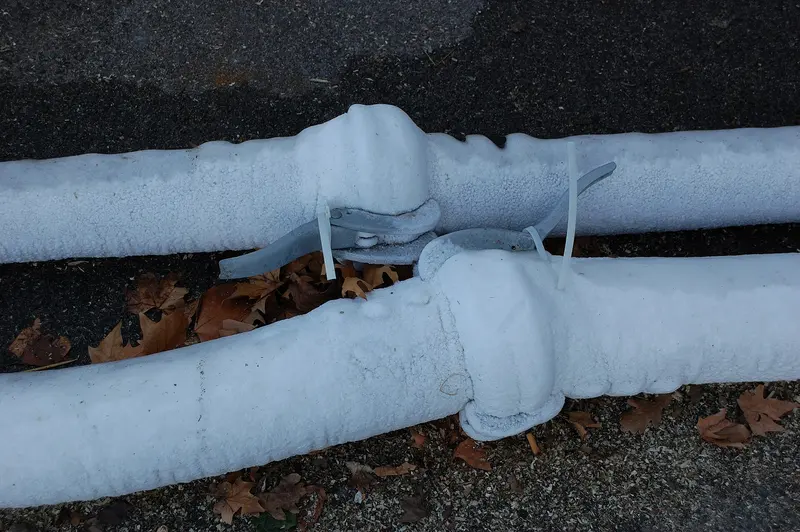
Even where damage was gradual, the Ombudsman says it may tell an insurer to pay if an insured event such as an escape of water caused it, you couldn’t reasonably have known about it (for example, a leak hidden behind a kitchen unit or bath panel), and you acted as soon as you reasonably could. So if you find damp that might come from a hidden leak, act promptly, take photos and tell your insurer. Our guide Unhappy with an insurance claim? explains how to complain if a claim is turned down, and our article on frozen and burst pipes covers leaks in winter.
Keeping the office warm enough is part of the answer; our article on energy bills and the home office this winter covers the help available.