A cold snap can turn a forgotten pipe in the loft or garage into a very wet ceiling. Escape of water is one of the most disruptive things that can happen to a home — and if you work from home, it can take your office out of action too.
This article uses advice from the Consumer Council for Water (CCW) and the Financial Ombudsman Service. It is general information, not insurance advice.
Before the frost
CCW’s winter advice starts with preparation:
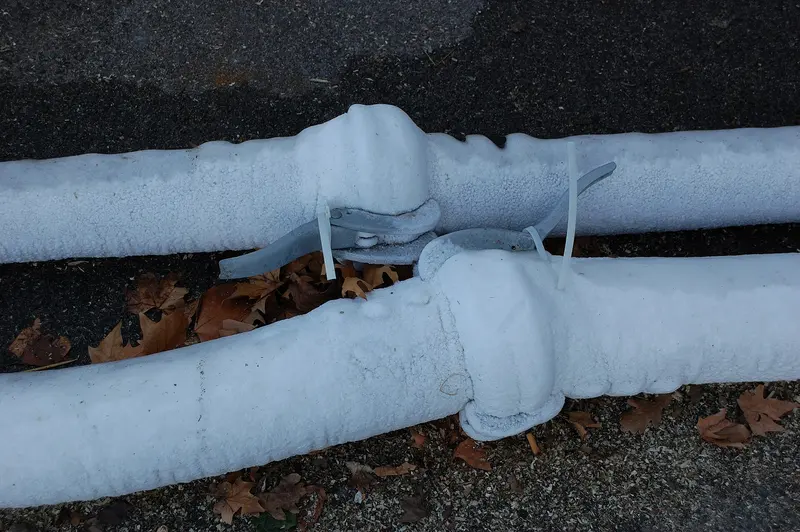
- Lag exposed pipes and fit covers to outside taps.
- Insulate tanks, cisterns and boilers with jackets — which includes water tanks in a loft.
- Find your stop tap now, not during a leak. CCW says it is usually under the kitchen sink but can be elsewhere, even outside. Check it turns.
Two more things are worth knowing: who your plumber would be, and where your insurer’s claims number is kept (on paper as well as on your phone).
If a pipe freezes
CCW’s steps:
- Turn off the water at the stop tap, and switch off the immersion heater (if you have one) and central heating.
- Leave the cold tap open so water can drain as the pipe thaws, and close it once it has thawed.
- Thaw the pipe slowly with a hairdryer on a warm setting, a hot water bottle or a heated cloth. CCW is clear: “Never use a naked flame or blow torch.”
- Contact a registered plumber before the pipe bursts.
If a pipe bursts
CCW says:
- Turn off the water at the stop tap, and turn off the boiler or immersion heater.
- Open the taps indoors to drain the system and reduce flooding, and soak up leaks with towels. Close the taps again before you turn the stop tap back on.
- Call a professional plumber.
- Contact your insurer, and photograph or film the damage.
If water is near electrics, keep clear and get help — water and electricity are a dangerous mix.
Alongside the photos CCW mentions, keep the plumber’s report and invoices, and a note of the date and time you found the leak. Your insurer will want to understand what happened and when, and a clear record helps if there is any disagreement later.
Empty homes over Christmas
Many people go away for Christmas, and some homes stand empty for longer — between tenants, during building work or after a death in the family. The Financial Ombudsman Service explains that most home policies don’t cover theft, malicious damage or escape of water once a property has been unoccupied for a set period, usually 30 or 60 days.
It also says policies don’t usually define “unoccupied”, and where a policy is unclear it uses its own interpretation: a property may still count as occupied if the owner visits reasonably often. If damage happens in the first 30 days of a property being empty, the Ombudsman says the insurer should usually settle the claim. It is unlikely to side with a customer who misrepresented the situation, or whose property was abandoned or badly neglected.
If a home will be empty for a while, read the “unoccupancy” section of your policy before you go and tell your insurer if you need to. Some policies set conditions for empty homes; only your own wording tells you which.
After the leak
Damaged work equipment, soaked files and a home office you can’t use raise their own questions about cover. Our guides Home insurance and working from home and Valuing your contents explain what to check, and Unhappy with an insurance claim? covers complaints. Keeping a copy of your work off-site — see the 3-2-1 backup rule — means a leak costs you a carpet, not a project.