Accidental damage cover: what it means for your laptop and home-office kit
A knocked-over drink, a dropped laptop, a cracked screen: whether home insurance pays depends on whether you have accidental damage cover and how your policy defines it. What the Financial Ombudsman Service says “accidental damage” means, the usual exclusions, and the questions to ask.
We are not an insurance company or broker and don’t give insurance advice. This guide explains general rules from the official sources listed at the end. It isn’t advice about your own policy: what you’re covered for depends on your policy wording, so check it, or ask your insurer or an FCA-authorised broker.
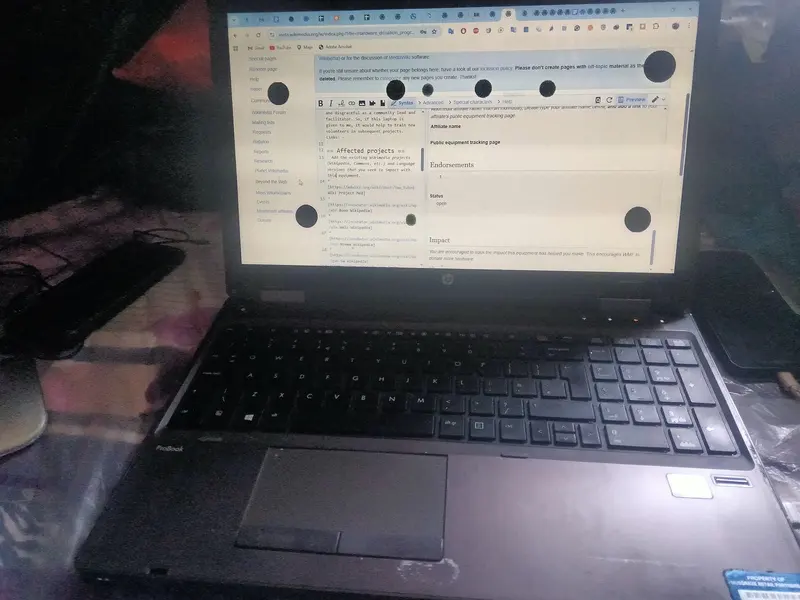
A desk at home is a risky place for electronics. Coffee goes over keyboards, laptops slide off sofas, and monitors get knocked when furniture is moved. Whether a home insurance policy pays for that sort of mishap often comes down to two words: accidental damage. This guide explains what the Financial Ombudsman Service says about accidental damage claims. It can’t tell you what your own policy covers. Only the policy wording and your insurer can do that.
Standard cover or accidental damage cover?
The Financial Ombudsman Service lists accidental damage as one of the things home insurance can protect against. But when it looks at a complaint, one of the first things it checks is whether you had standard cover or accidental damage cover, and which parts of the policy apply. Complaints often come from people who paid extra for accidental damage cover and then had a claim turned down, or who say they weren’t given enough information when they bought it.
The Ombudsman also checks whether the cover is for buildings, contents or both. A claim can succeed under one section and fail under another. Its example is laminate flooring: insurers sometimes refuse a contents-only claim on the basis that flooring is part of the building. The Ombudsman’s view is that most fixed laminate flooring is a fixture, while reusable click-together flooring may count as contents.
What “accidental damage” means
Many policies define the term. Where a policy doesn’t, the Ombudsman uses its own understanding: damage that was unforeseen and unintentional. It also says that damage isn’t only physical, because it can include loss of function. A blocked drain can count as damaged even though nothing is broken.
Where a policy does have its own definition, the Ombudsman looks at how the insurer explained it. If the definition is significantly different from the ordinary meaning, the insurer didn’t draw attention to it, and you would have acted differently had you known, it is likely to ask the insurer to reconsider. A definition is likely to have been brought to your attention if it was written in plain, clear language and given prominence.
The Ombudsman’s page also explains some other words policies use:
- Sudden. Damage can still be sudden even if a long-term problem caused it.
- Breakage. For example smashed glass, shattered ceramics or cracked pipes. The Ombudsman says the difference between “breakage” and “damage” is unlikely to change the outcome.
- External force. For example a nail hammered into a pipe hidden behind a wall.
What usually isn’t covered
The Ombudsman says accidental damage cover usually doesn’t include damage caused by:
- wear and tear, or gradual deterioration with age
- deliberate acts
- defective workmanship.
If an exclusion is significant or unusual, the Ombudsman checks whether the insurer pointed it out properly. A complaint is likely to be upheld if it wasn’t clearly flagged and you would have acted differently had you understood it. One of its published cases concerned a ring damaged while washing up, where it decided the insurer had used a wear-and-tear exclusion unfairly.
Work equipment and gadget insurance
Two more things to check:
- Is the kit yours, and is work use declared? Our guide to home insurance and working from home explains why equipment used for work, or owned by an employer, may not be covered by a home policy at all.
- Separate gadget insurance. The Ombudsman says phone and gadget insurance usually covers accidental loss, accidental damage and theft, but normally only damage that stops the item working, not cosmetic damage. A cash settlement generally reflects a replacement of the same age and condition, and some complaints are about getting a refurbished replacement rather than a new one.
Questions to ask your insurer or broker
- Do I have accidental damage cover for contents, buildings or both, or only standard cover?
- How does the policy define accidental damage, and what are the main exclusions?
- Are laptops, monitors and phones covered, inside and outside the home?
- Does it matter that I use them for work, or that my employer owns some of them?
- What is the excess for an accidental damage claim?
Keep the answers with your policy documents. It also helps to keep an up-to-date list of your kit. Our guide to valuing your contents suggests a simple way to do it.
Fewer accidents in the first place
A few habits help: keep drinks away from the keyboard, carry a laptop in a padded sleeve, and keep cables tidy so nobody trips over them. Above all, keep your work backed up. Insurance can replace a laptop, but not the files on it.
If a claim is turned down
Complain to the insurer first. If you’re not happy with its final response, you can take the complaint to the Financial Ombudsman Service, which is free. See Unhappy with an insurance claim? How to complain.
Sources
- Financial Ombudsman Service: accidental damage (checked 23 November 2026)
- Financial Ombudsman Service: home insurance (checked 23 November 2026)
- Financial Ombudsman Service: mobile phone and gadget insurance (checked 23 November 2026)
- FCA: How to check a firm or individual is authorised (checked 23 November 2026)
Checked 23 November 2026.