Guides
Plain-English guides written from official sources, which are listed at the end of each guide with the date we checked them.
Insurance and money, in general terms
We are not an insurance company or broker and don’t give insurance advice.
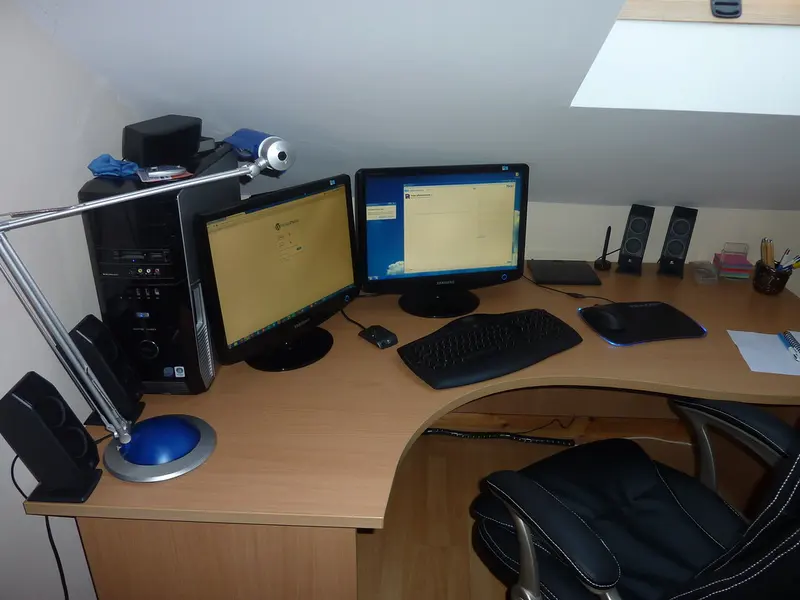 Working from home and home insurance: what to checkWorking from home? Your home insurance may not cover work equipment, business use or work visitors. What official sources say and what to ask your insurer.
Photo: Sean MacEntee, CC BY 2.0
 Working from home: public liability, visitors and clientsClients or pupils visiting your home for work: their safety, public liability and employers’ liability if you employ anyone — from GOV.UK, the law and HSE.
Photo: Public domain, CC0
 Working from home tax relief: the rules from April 2026Employees can’t claim tax relief for working from home for the 2026 to 2027 tax year, but can still claim for earlier years if they had to work from home. Self…
Photo: Shixart1985, CC BY 2.0
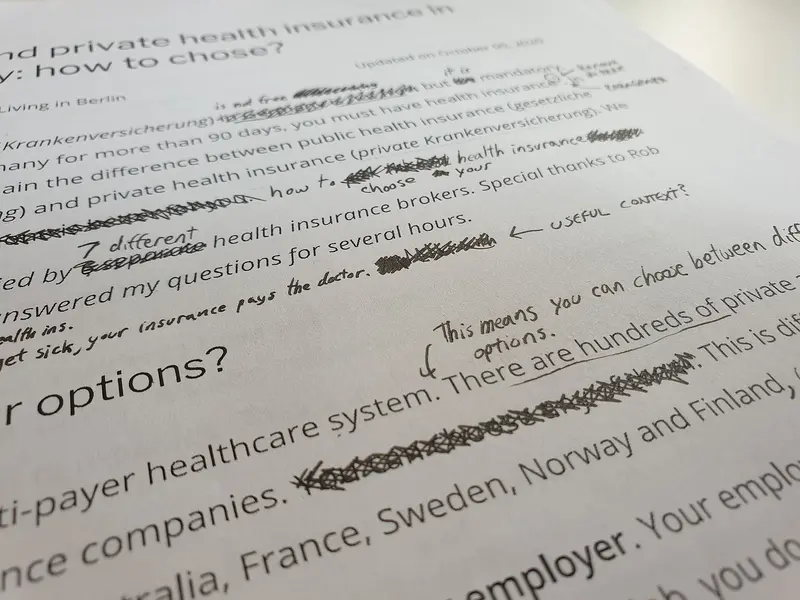 Unhappy with an insurance claim? How to complainIf your insurer turns down a claim, offers too little or handles it badly, there is a free complaints route: the insurer first, then the Financial Ombudsman Se…
Photo: Nicolas Bouliane, CC BY-SA 4.0
 Valuing your contents: underinsurance and your home-office kitIf your contents are insured for less than they would cost to replace, a claim can be cut. What the Financial Ombudsman Service and the law say about underinsu…
Photo: dejankrsmanovic, CC BY 2.0
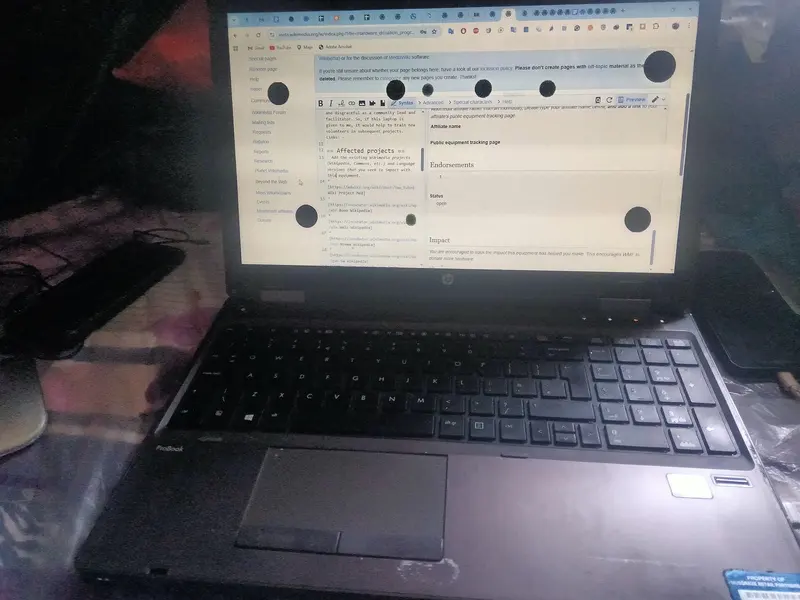 Accidental damage cover: what it means for your laptop and home-office kitA knocked-over drink, a dropped laptop, a cracked screen: whether home insurance pays depends on whether you have accidental damage cover and how your policy d…
Safety, security and kit
 The 3-2-1 backup rule, explainedThree copies of your files, on two devices, with one kept away from home — plus one copy offline. How the NCSC describes it, and a simple way to set it up for…
Photo: Shixart1985, CC BY 2.0
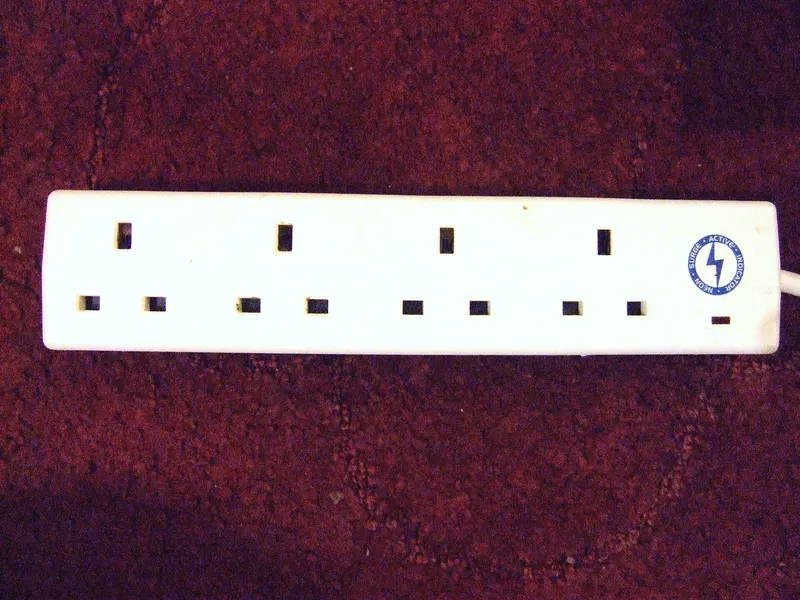 Surge protectors and UPS units: the basicsWhat a surge-protected extension lead does, what a UPS battery backup adds, how to read joules, VA and watts — and the extension-lead safety rules from Electri…
Photo: Hiya111, Public domain
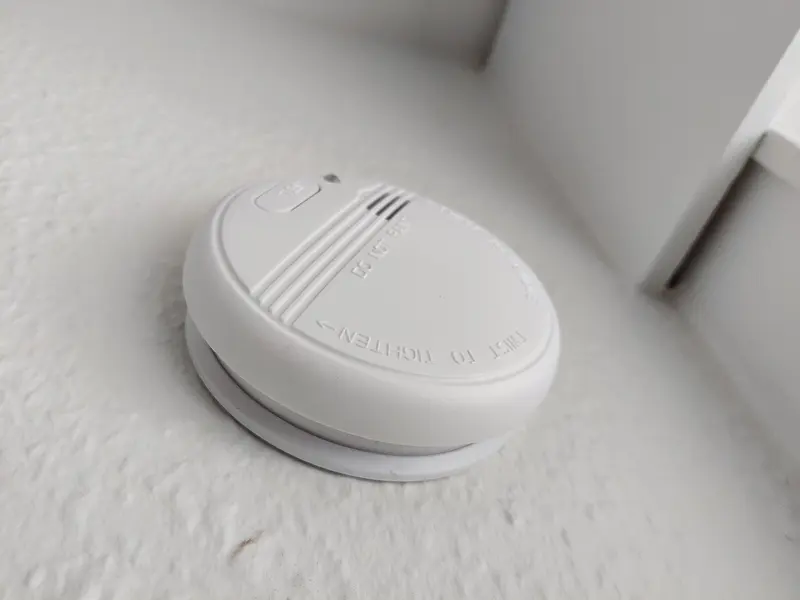 Home office fire safetyChargers, extension leads, and smoke, heat and carbon monoxide alarms: what fire services and Electrical Safety First advise, and the alarm rules in England, S…
Photo: Kent Madsen, CC BY-SA 2.0
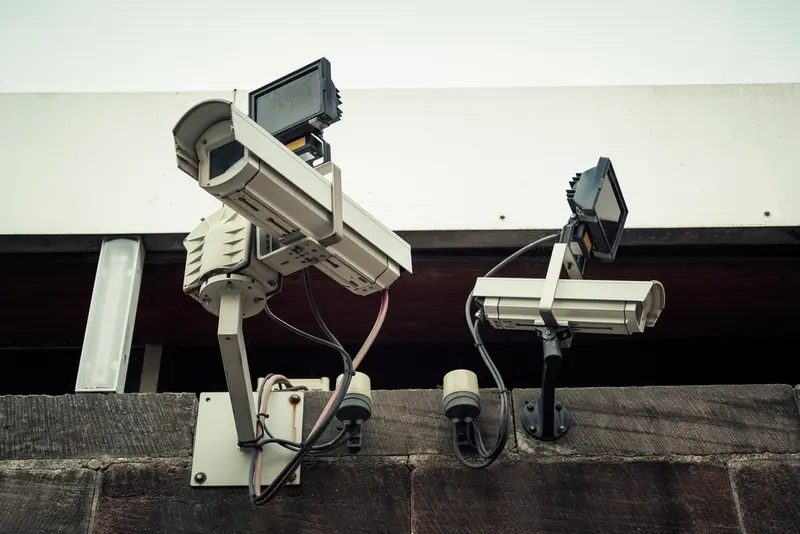 Home security cameras and the lawDomestic CCTV and video doorbells: when data protection law applies to you, what you then have to do, and how to set a camera up safely — from GOV.UK’s domesti…
Photo: Markus Spiske, CC0
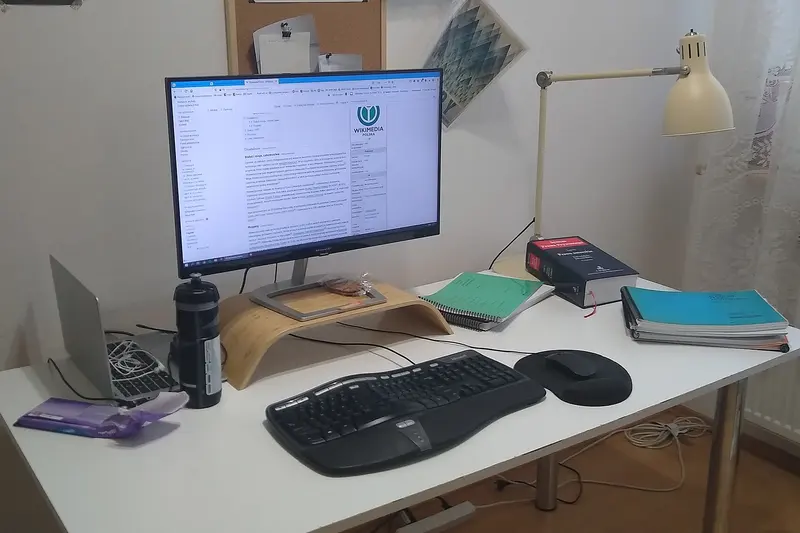 Keeping homework and coursework safeA simple plan for pupils, students and parents: back coursework up in more than one place, look after the laptop, charge it safely and keep USB sticks where th…
Photo: Tar Lócesilion, CC BY-SA 4.0
 Fire-resistant safes and chests: the ratings explainedFireproof or fire-resistant? What EN 15659, EN 1047-1, NT Fire 017 and UL 72 ratings mean for safes and chests, and what to ask your insurer.
Photo: Clark, C. R. (Charles R.), Public domain
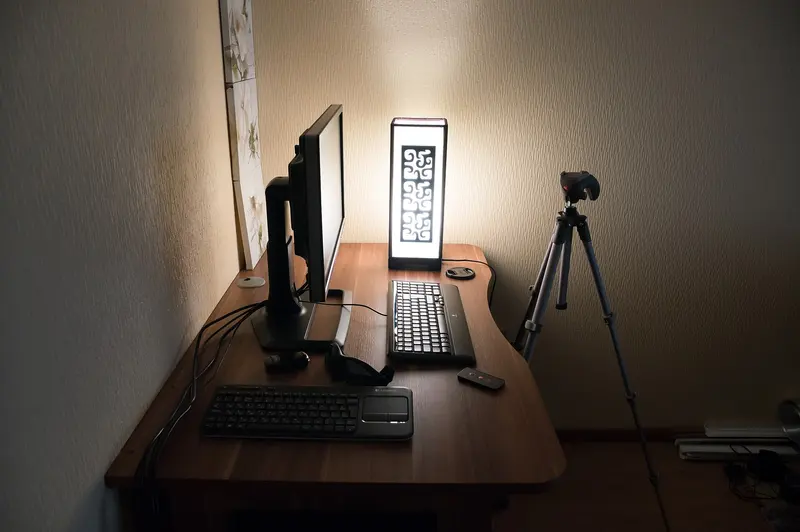 Setting up a home workstation: what HSE saysScreen at eye level, keyboard just below elbow height, and a separate keyboard or screen for long spells on a laptop. HSE’s advice on posture, breaks and eye t…
Photo: Vyacheslav Argenberg, CC BY 4.0
 Phishing emails and texts: how to spot them and where to report themScam emails and texts pretend to come from banks, delivery firms, HMRC or your own IT team. The five warning signs the National Cyber Security Centre lists, ho…
Photo: Carol M Highsmith, CC0
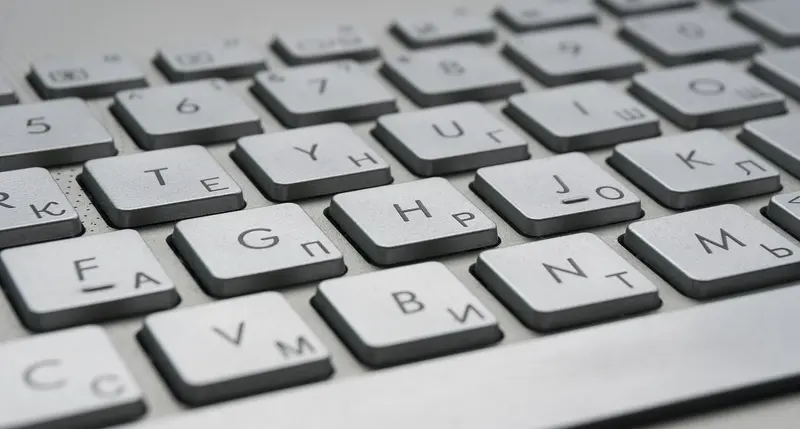 Passwords, passkeys and 2-step verification: locking down your work accountsYour email account is the key to all the others. What the National Cyber Security Centre says about a strong, separate email password, “three random words”, pa…
Photo: Alexander-design, CC0