Many home insurance policies renew automatically, often in a letter or email that is easy to file and forget. For people who work from home, renewal is also the moment to make sure the policy still matches how the house is used. This article explains the rules the Financial Conduct Authority (FCA) brought in for renewals, and the questions worth asking each year.
It is general information. We are not an insurer or broker, we don’t compare policies, and we can’t tell you whether a particular policy suits you.
The “loyalty penalty” rules
In 2021 the FCA confirmed new rules for home and motor insurance after finding that loyal customers were often paying more than new ones for the same cover. It found that in 2018, 6 million loyal policyholders would have saved £1.2 billion had they paid the average price for their actual risk.
From 1 January 2022:
- the FCA says insurers must offer renewing customers a price that is “no higher than they would pay as a new customer”
- most consumers get easier ways to cancel automatic renewal of their policy
- insurers must do more to consider whether their products offer fair value
- home and motor insurers must report data to the FCA so it can supervise the market
The FCA estimated the changes would save consumers £4.2 billion over 10 years.
What the rules don’t do
The rules stop you being charged more because you are an existing customer. They don’t freeze prices: a renewal can still cost more than last year, for example if the insurer’s costs or its view of the risk have changed. They also don’t mean every other insurer would charge the same.
The FCA was clear that people can still benefit from shopping around or negotiating with their current insurer — but that you “won’t have to switch just to avoid being charged a loyalty premium”. We don’t compare insurers or recommend any; if you want help choosing cover, an FCA-authorised broker can give it. Check any firm on the FCA’s Firm Checker first.
What to check on the renewal itself
The price is only part of it. Before a policy renews, it is worth reading the documents against your life as it is now:
- Are the details right? Our guide to home insurance and working from home explains why the answers you gave matter, and why you should correct anything out of date — including whether you work from home, have visitors for work, or keep work or business equipment in the house.
- Is the contents figure still enough? New laptops, monitors and Christmas presents can push the value up. See valuing your contents for how underinsurance can reduce a claim.
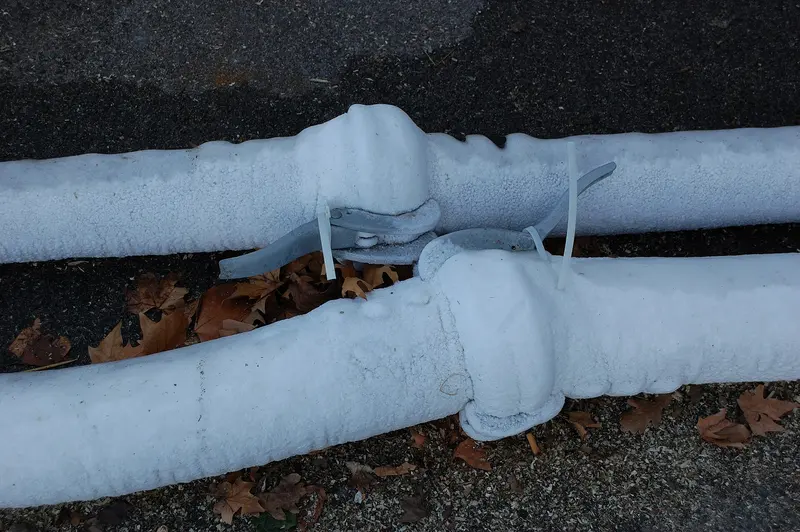
- What has changed in the wording? Excesses, limits on single items and conditions about leaving the home empty can change between years. Our articles on frozen and burst pipes and going away for Christmas explain why the empty-home conditions matter in winter.
- Who covers the work laptop? If your employer supplied it, ask them; it may not be yours to insure.
Keep the paperwork
Keep each year’s policy schedule, wording and renewal letter. The Financial Ombudsman Service says it looks at what the policy wording says, what caused the damage and whether it is covered, and whether an insurer applied an exclusion fairly. Having the wording that was in force when something happened makes any later complaint much easier.
If something goes wrong
If you think an insurer has charged you more at renewal than it should, or has handled a claim badly, complain to the insurer first. If you aren’t happy with the answer, you can usually take it to the Financial Ombudsman Service, which is free. Our guide Unhappy with an insurance claim? How to complain explains the steps and the time limits.
While you have the paperwork out, it is also a good time to check your records are safe. A fire-resistant box for the policy documents is one option; a scanned copy kept in the cloud is another (see the 3-2-1 backup rule).
Fire safes & document chestsRef. HW-035
Yale Fire and Water Chest Large
30 min fire · 72 hour water protection · key lock
Sizes: 16.8 litres
Suits: A4 files and hanging folders
A key-locking insulated chest sized for A4 hanging files, for keeping paperwork safe from fire and water damage. A sensible option for household and work docum…
Details about Yale Fire and Water Chest Large Search Amazon for this — Yale Fire and Water Chest Large (opens Amazon.co.uk)
Fire safes & document chestsRef. HW-034
Yale Fire Safe Medium
NT Fire 017-60P · digital keypad lock
Sizes: 19 litres
Suits: Passports, deeds and paperwork in a home office
A fire safe with a digital keypad that Yale says protects documents from fire for 60 minutes. The 19-litre interior has adjustable shelving, and the safe can b…
Details about Yale Fire Safe Medium Search Amazon for this — Yale Fire Safe Medium (opens Amazon.co.uk)
As an Amazon Associate we earn from qualifying purchases. Most Amazon links open a search on Amazon.co.uk, where you can see the current price, sellers and delivery. We don’t show prices, ratings or Amazon’s photos, and we haven’t tested these products.